
RFPs, Demo Purgatory and a Better First Step
In global expansion, teams rarely fail because there were no vendors. They fail because, six months in, it turns out the vendor they chose was a great RFP contestant and a mediocre operating partner.
Most teams fall into one of three patterns when picking global compliance or expansion partners.
They spin up a big formal RFP and watch it slowly consume everyone’s will to live.
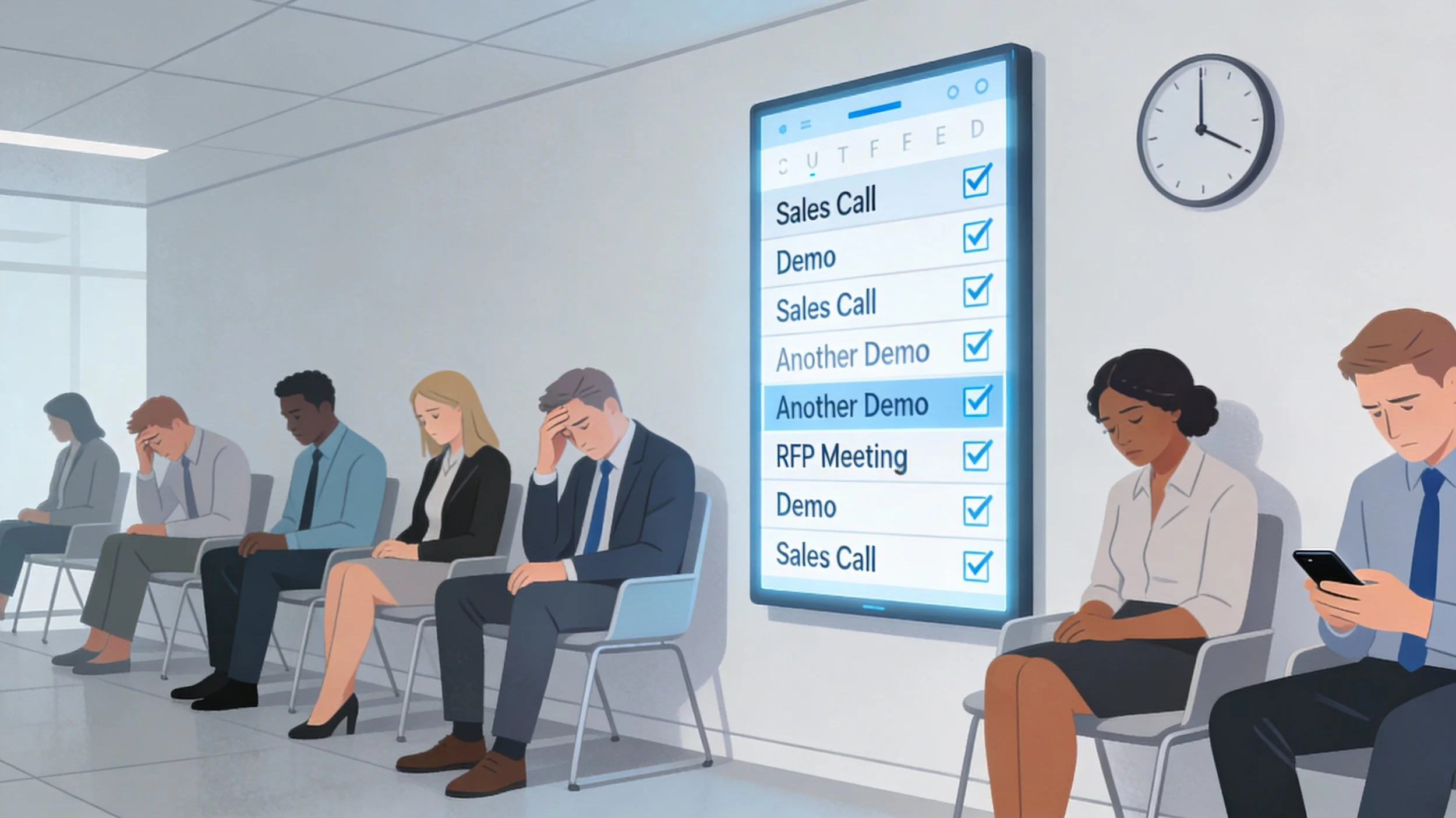
They say yes to every “quick intro” and accidentally take on a part‑time job as a demo attendee.
Or they ask a few friends “Who do you use?” and quietly treat those three names as the entire market, even though their footprint, risk tolerance and budget look nothing like theirs.
The real problem is not finding vendors; it is defining fit before you go looking.
Traditional RFPs exist for good reasons: structure, documentation and internal air cover. In highly regulated environments, that safety matters. Over time, though, RFPs can turn into slow‑moving theater where process quietly overwhelms purpose. Market entries stall while teams draft and re‑draft requirements, scoring diverges instead of converging and vendors learn to optimize for proposal performance rather than real‑world delivery.
The opposite failure mode is demo purgatory. Activity feels like progress, and sitting through a long list of demos feels “thorough.” In practice, calendars fill up, pitches blur together and stakeholders start reacting to surface‑level differences like UI polish, presentation skills or logo slides. After enough calls, no one can cleanly explain who does what, where the edges are or why one option truly fits better than another. More vendors create more noise, not more clarity.
The fastest pattern, asking peers “Who do you use?”, is also the most seductive because it feels efficient and insider. There is value in understanding another team’s scars and successes. The catch is that their constraints are rarely your constraints. A company entering a few low‑risk markets with a generous budget will select very different partners than a lean team tackling many markets with tighter guardrails, and a CFO optimizing for price will not evaluate risk the same way a GC or head of tax does. “Plugging in” someone else’s vendor without context, is how teams inherit problems they never planned for.
Across all three patterns, the common thread is timing. Teams jump into process before they have a clear and shared definition of fit. A better first step is to define what “good” looks like for the specific expansion in front of you: footprint, risk tolerance, speed, internal capacity and service scope across areas like EOR, payroll, tax and immigration. Turning that into a working Ideal Vendor Profile gives you something to filter against, not just a checklist to score with after the fact.
Once that Ideal Vendor Profile exists, the tools everyone already knows, RFPs, demos, reference checks, security reviews start to work the way they were supposed to. They become ways to validate a focused shortlist instead of ways to generate one from scratch. That is the gap KonduitHUB is designed around: giving teams a neutral, data‑driven way to reach a defensible shortlist that actually matches their profile so the heavy lift of procurement lands on contenders that make sense from day one.